

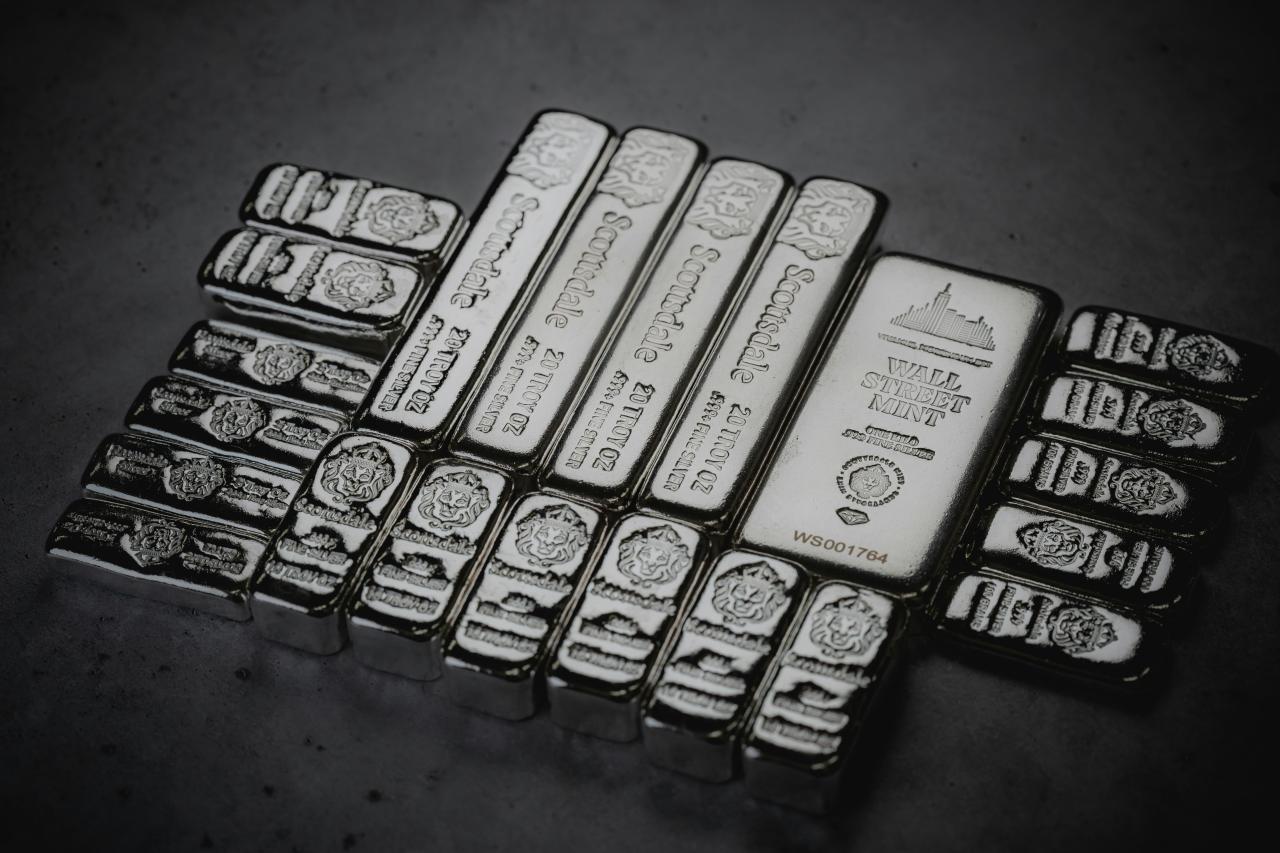
Investing in silver bullion remains one of the most accessible ways for everyday individuals to build a tangible wealth foundation. While gold often grabs the headlines with its high price tags, silver offers a unique combination of industrial utility and monetary history that makes it a dynamic asset.
Many investors appreciate the fact that they can acquire significant amounts of physical silver without needing a massive initial capital outlay. This metal acts as a vital hedge against inflation and currency devaluation, especially when traditional markets show signs of instability.
Because silver has extensive uses in modern technology, including solar panels and electric vehicles, its demand is tied to both the economy and industrial growth. Understanding the cycles of the precious metals market allows you to buy low and sell high with greater confidence.
This guide will walk you through the essential steps to navigate the silver market effectively while avoiding common pitfalls. By focusing on liquidity, purity, and strategic timing, you can turn a modest investment into a substantial financial safety net.
Mastering Physical Silver Selection for Maximum Value

A. Choosing Between Silver Coins and Bars
Government-minted silver coins like the American Eagle or Canadian Maple Leaf are highly recognizable and carry a face value as legal tender. These coins offer the highest liquidity because any coin shop in the world will buy them instantly.
On the other hand, silver bars are usually the preferred choice for those looking to accumulate the most metal for their money.
Bars come in various sizes, ranging from one ounce to one hundred ounces, and typically feature lower premiums than coins. You should maintain a healthy mix of both to balance your need for quick cash with your goal of low-cost accumulation.
From my perspective, many beginners get distracted by “collectible” silver coins that have beautiful designs but high markups.
You should solve the problem of overpaying by sticking to standard bullion coins or bars where you pay for the metal, not the art. If your goal is profit, remember that a scratched bar of pure silver is worth the same as a shiny one to a smelter. Focus on the weight and purity to ensure your “buy-in” price stays as low as possible.
B. Understanding Junk Silver and Constitutional Coins
“Junk silver” refers to old circulation coins that contain 90% actual silver content, such as dimes and quarters minted before the mid-sixties.
These coins are fantastic for smaller transactions and are widely recognized by the public as having intrinsic value. Because they are no longer being produced, they also carry a slight scarcity value that can increase over time.
Investors love junk silver because it is easily divisible, making it perfect for a “barter” scenario if the economy faces a crisis. You can often find these coins in bulk bags, which is a very cost-effective way to grow your silver stash.
I believe junk silver is the ultimate “survival” asset that every serious investor should own in small denominations. It solves the problem of “making change” with a large silver bar, which would be impossible in a local trade situation.
You should treat these coins as your liquid insurance policy that sits quietly in your safe. They provide a psychological comfort that digital numbers on a screen simply cannot match during times of high inflation.
C. Verifying Purity and Weight Standards
Investment-grade silver must have a fineness of at least .999 to be considered bullion by most international standards. You should always look for hallmarks from reputable refiners to guarantee that your silver meets these strict requirements.
Using a digital scale and a simple magnet test can help you verify the authenticity of your silver at home. Avoid buying silver from unverified online sellers who offer prices that seem too good to be true, as counterfeits are common.
Requesting an assay certificate for larger bars adds an extra layer of security and makes the resale process much smoother.
In my experience, the fear of buying “fake” silver stops many people from even starting their investment journey. You can solve this problem by developing a relationship with a local reputable dealer or using well-known national wholesalers.
Learning how to perform a “ping test” or using a specific gravity kit will give you the confidence to buy with eyes wide open. Being your own “quality control” expert ensures that your wealth is real and verifiable when it comes time to liquidate.
D. The Impact of Premiums on Your Return
The premium is the additional cost you pay over the “spot price” of silver to cover minting, distribution, and dealer profit. Silver premiums are often higher as a percentage of the total price compared to gold because silver is cheaper to buy but expensive to ship.
You should always calculate the percentage of the premium before finalizing any purchase to ensure you aren’t getting a bad deal.
Buying in bulk or during market dips can help you significantly lower the average premium across your entire portfolio. Large bars almost always have the lowest premiums, while small fractional rounds have the highest.
I think most investors ignore the “math” of premiums and end up starting their investment with a 20% loss. You solve the profit problem by shopping around and being patient enough to wait for “dealer specials” or sales.
My advice is to set a “maximum premium” rule for yourself and never break it, no matter how much you like a specific coin. This discipline keeps your cost basis low and allows you to reach a profitable state much faster as silver prices rise.
Strategic Storage and Market Timing
A. Home Security and Discrete Storage
Storing silver at home allows for instant access and removes the “counterparty risk” of a bank or third-party vault failing. However, silver is much bulkier than gold, meaning a large investment will take up significant physical space and require a heavy-duty safe.
You should use a safe that is fire-rated and bolted directly to your home’s foundation to deter professional thieves.
It is also wise to diversify your hiding spots within your home so that a single discovery doesn’t result in a total loss. Never brag about your holdings to friends or on social media, as “loose lips” are the biggest threat to your security.
From my perspective, the “bulk” of silver is actually a hidden security feature because it is very hard for a thief to carry away a heavy safe quickly. You should solve the storage problem by viewing your silver as a “set and forget” part of your home infrastructure.
I often suggest “diversified hiding,” where you keep some silver in a safe and other parts in clever, non-obvious locations. This layered approach ensures that you are protected against both theft and unforeseen domestic accidents.
B. Utilizing Professional Vaulting Services
Professional vaults provide high-level security, climate control, and full insurance for your silver holdings for a small monthly or annual fee. This is a great option for investors who own hundreds of pounds of silver and don’t want the risk of keeping it at home.
Many vaulting companies also allow you to trade your silver within their system, which means you can sell instantly without shipping costs.
This “allocated” storage ensures that specific bars are assigned to your name and are not used for other purposes. It is a highly professional way to manage a large commodity position while keeping your personal residence private.
I believe professional vaulting is the best choice for anyone moving into the “six-figure” silver investment range. It solves the physical burden of moving heavy boxes and the anxiety of home invasions.
By paying a small fee for peace of mind, you can focus on the market trends rather than the locks on your doors. This strategy allows you to act like a professional fund manager rather than a hobbyist collector.
C. Buying the Dips and Market Cycles
Silver is notoriously volatile and often moves in “bursts” after long periods of stagnant price action. Smart investors use this volatility to their advantage by “buying the dip” when the price falls during a market correction.
You should watch the “gold-to-silver ratio” to determine if silver is undervalued compared to its yellow counterpart.
Historically, when the ratio is high, silver is considered “cheap” and is likely to outperform gold in the coming months. Patience is your greatest tool, as the best profits are made by those who don’t chase the price during a “hype” phase.
In my experience, the biggest mistake is buying silver when the news is talking about it every day. You solve the problem of “buying the top” by creating a monthly buying schedule that ignores the headlines.
I suggest buying more when the ratio is above 80 and slowing down when it drops below 50. This data-driven approach removes the emotion from your investing and guarantees a better long-term result.
D. Knowing When to Liquidate Your Holdings
The final step in profiting from silver is knowing when to sell your metal back into the market for cash or other assets. You should have a clear “exit price” in mind before you even make your first purchase to avoid getting greedy.
Some investors choose to “swap” their silver for gold when the ratio favors the yellow metal, effectively increasing their wealth without spending more cash.
Selling to a reputable local dealer is usually the fastest way to get paid, though online wholesalers may offer better prices for large volumes. Always factor in the shipping and insurance costs if you are selling your silver through the mail.
My take on this is that you should never sell your entire stack at once unless you have an absolute emergency. You solve the problem of “seller’s remorse” by selling in small batches as the price hits your predetermined targets.
This “scaling out” method ensures that you capture profits while still keeping skin in the game if the price continues to moon. Think of your silver as a harvest; you only take what you need while letting the rest continue to grow.
Conclusion

Silver is a brilliant asset for those who want to take control of their financial future. It offers a tangible way to protect your hard-earned money from the effects of inflation.
You should always focus on the long-term trend rather than the daily price swings of the market. Silver rewards those who have the patience to hold through the quiet times.
Buying physical metal is much safer than keeping all your wealth in a digital bank account. It gives you a sense of security that is very hard to find in today’s world.
Make sure to keep your investment plans private to protect yourself and your family. Physical wealth is a private matter that requires a high level of personal discretion.
The demand for silver in green technology will likely keep the price supported for many decades. This makes it a smart bet on the future of our global energy needs.
Start with a small amount and learn the ropes of the bullion market before going all-in. Your knowledge will grow alongside your stack as you become a more experienced investor.
Your path to wealth preservation starts with the very first silver coin you decide to buy. Use the tips in this guide to build a portfolio that will last for generations.

