

Reducing your monthly energy expenses is one of the most effective ways to reclaim your household budget and improve your overall financial freedom. Most homeowners feel frustrated when they see a rising utility bill, yet they often believe that these costs are completely out of their control.
The truth is that your daily habits and the efficiency of your home infrastructure play a massive role in determining your monthly expenditure. By taking a proactive approach to energy management, you can stop wasting money on inefficient cooling, heating, and lighting systems.
We live in an era where smart technology and simple DIY fixes can combine to create a much more sustainable living environment. You do not need to make massive sacrifices in comfort to see a significant drop in your electricity or gas consumption.
Instead, focusing on strategic upgrades and mindful usage patterns allows you to live better while spending much less. This comprehensive guide provides a roadmap for anyone looking to optimize their home and keep more cash in their bank account.
We will explore everything from structural insulation to the latest in smart appliance management to help you achieve long-term savings. Start viewing your energy bill as a flexible expense that you can master through the right knowledge and consistent action.
Mastering Climate Control and Insulation Efficiency

A. Sealing Air Leaks and Improving Insulation
The most common reason for high energy bills is the loss of conditioned air through tiny gaps around windows, doors, and attic spaces. Your heating or cooling system must work twice as hard when the air you paid to treat escapes into the outdoors.
You can solve this problem by applying weatherstripping to doors and using high-quality caulk to seal cracks in window frames.
Adding extra insulation to your attic can also prevent heat from rising out of your home during the winter. This structural “envelope” acts as a protective shield that keeps your indoor temperature stable regardless of the weather outside.
From my perspective, people often spend thousands on new appliances while ignoring the “invisible holes” in their walls. You solve the core problem of thermal loss by sealing your home first before upgrading your technology.
I suggest you perform a “smoke test” with a lit incense stick near your windows to find exactly where the drafts are coming from. This simple DIY check ensures you target the right areas and get the biggest return on your effort.
B. Optimizing Thermostat Settings with Smart Tech
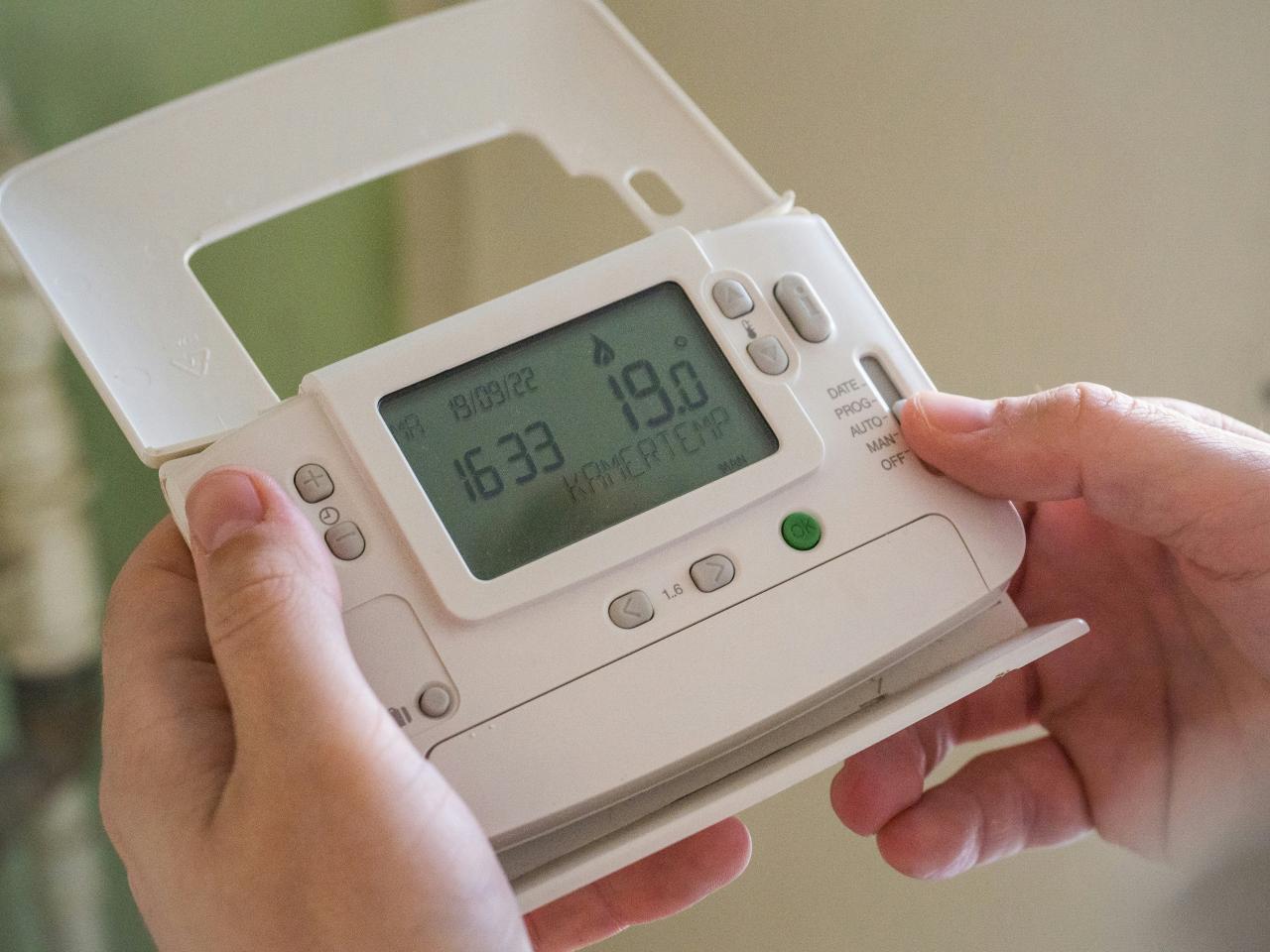
Using a programmable or smart thermostat allows you to adjust your home’s temperature automatically based on your daily schedule. You should set the temperature to be more moderate when you are asleep or away from the house to avoid cooling an empty room.
Smart thermostats learn your patterns over time and can even adjust for humidity levels to maintain a high level of comfort.
Small adjustments of just a few degrees can lead to a massive reduction in your annual energy costs. Modern systems also allow you to control your HVAC from your smartphone, giving you total oversight from anywhere in the world.
I believe that a smart thermostat is the “brain” of a low-cost home and the easiest upgrade you can make. You solve the problem of human forgetfulness by letting the machine handle the daily adjustments for you.
My advice is to set a “buffer zone” of five degrees when you leave the house to ensure you save money without making the system work too hard to recover later. This balanced approach protects your equipment while slashing your monthly bill.
C. Maintaining HVAC Systems for Peak Performance
A dirty air filter or a clogged outdoor unit can force your HVAC system to consume much more electricity than necessary to produce the same results. You should change your filters at least once every three months to ensure that air flows freely through your vents.
Annual professional maintenance can also identify small issues like refrigerant leaks or failing motors before they become expensive disasters.
Keeping your system clean not only saves you money every month but also extends the total lifespan of your equipment. A well-maintained unit operates quietly and efficiently, providing a better environment for your family.
In my experience, neglect is the most expensive part of homeownership, especially when it involves climate control. You solve the problem of mechanical inefficiency by putting your maintenance on a strict calendar.
I suggest you vacuum your indoor vents and keep the area around your outdoor compressor clear of leaves and debris. This tiny bit of physical work can prevent your energy bill from spiking during the hottest and coldest months of the year.
D. Utilizing Ceiling Fans for Natural Cooling
Ceiling fans do not actually lower the temperature of a room, but they create a wind-chill effect that makes the occupants feel much cooler. This allows you to raise your thermostat by several degrees without losing any personal comfort, which significantly reduces the load on your air conditioner.
During the winter, you can reverse the direction of your fan to push warm air down from the ceiling back into the living space. Fans consume a fraction of the power required by a central cooling system, making them a very cost-effective tool. It is an old-fashioned solution that works perfectly in the modern, high-tech world.
I think the ceiling fan is the most underrated “savings weapon” in the average household. You solve the problem of stagnant, hot air by keeping the atmosphere in your home moving constantly.
My take is that you should only run fans in the rooms you are currently using to maximize your efficiency. Remember that fans cool people, not rooms, so turn them off when you leave to save even more on your monthly bill.
Revolutionary Lighting and Appliance Management
A. Switching to High Efficiency LED Lighting
Replacing your old incandescent or halogen bulbs with modern LED versions is the fastest way to lower your lighting costs. LEDs use up to ninety percent less energy and can last for decades, meaning you save money on both electricity and replacement bulbs.
You can choose different “color temperatures” to match the mood of your living room, kitchen, or home office. Many LEDs are now compatible with smart home systems, allowing you to dim them or turn them off via voice command. This simple switch pay for itself in just a few months through the savings on your utility statement.
From my perspective, keeping old bulbs is like choosing to burn dollar bills just to see a little light. You solve the problem of high lighting costs by replacing every bulb in your house at once rather than waiting for them to burn out.
I suggest you look for “Energy Star” rated bulbs to ensure you are getting the highest possible quality and efficiency. This one-time investment provides a permanent reduction in your overhead with zero effort required.
B. Managing “Phantom” Power Loads
Many electronic devices like televisions, game consoles, and computer chargers continue to draw power even when they are turned off. This “vampire” energy loss can account for up to ten percent of your total monthly electricity bill.
You can solve this problem by using smart power strips that cut off the current to devices that are in standby mode. Simply unplugging chargers when they are not in use is another free way to stop this silent drain on your wallet. Being mindful of these hidden costs is a key part of becoming a smart and efficient energy consumer.
I believe that phantom loads are the “silent thieves” of the modern digital home. You solve the problem of waste by making it easy to “kill” the power to entire entertainment centers with a single switch.
My advice is to use a smart plug for your most power-hungry devices so you can schedule them to shut down completely at night. This ensures that your home is truly “sleeping” while you are, rather than wasting your hard-earned money.
C. Upgrading to Energy Star Appliances
When it comes time to replace your refrigerator, dishwasher, or washing machine, you should always look for the Energy Star label. Modern appliances are significantly more efficient than those made just a decade ago, often using half the water and electricity.
While the initial cost might be higher, the long-term savings on your utility bills will more than make up for the difference.
Many local governments also offer rebates or tax incentives for homeowners who upgrade to high-efficiency models. This transition makes your home more modern, more valuable, and much cheaper to operate every single day.
In my view, an old refrigerator is often the biggest “energy hog” in the entire house. You solve the problem of high appliance costs by viewing these purchases as investments that pay a monthly dividend in the form of lower bills.
I suggest you calculate the “lifetime cost” of the appliance rather than just looking at the price tag in the store. A cheaper, inefficient model will almost always end up costing you much more in the long run.
D. Optimizing Laundry and Water Heating
Heating water is one of the most energy-intensive tasks in any home, but you can lower this cost by making small adjustments. Washing your clothes in cold water is just as effective with modern detergents and saves a massive amount of energy.
You should also lower the maximum temperature on your water heater to 120 degrees Fahrenheit to prevent unnecessary heating.
Taking shorter showers and using low-flow showerheads can further reduce the volume of hot water your family consumes. These habits protect your water heater from wear and tear while keeping your gas or electric bills low.
I think that most people “over-heat” their water and their clothes for no actual benefit. You solve the problem of high water heating costs by challenging the “hot is better” myth in your daily chores.
My take is that you should only run your dishwasher and washing machine when they are completely full to maximize every drop of water. This simple discipline ensures that you get the most value out of every kilowatt-hour you pay for.
Structural and Landscape Energy Solutions
A. Installing High Performance Window Treatments
Your windows are the primary point of heat transfer, but the right curtains or blinds can act as a powerful insulating layer. During the summer, keeping your blinds closed on the sunny side of the house prevents the greenhouse effect from baking your interior.
In the winter, heavy thermal curtains can hold the warmth inside and prevent cold air from seeping through the glass.
You can also apply reflective window films that block ultraviolet rays without significantly darkening your rooms. These simple additions enhance your home’s decor while providing a functional boost to your energy efficiency.
From my perspective, window treatments are the “clothing” for your house that keeps it comfortable in any season. You solve the problem of solar heat gain by being strategic about when you open and close your drapes.
I suggest you look for cellular or “honeycomb” shades because their unique design creates air pockets that provide superior insulation. This is a stylish way to protect your furniture from fading while slashing your cooling costs at the same time.
B. Strategic Landscaping for Natural Shade
Planting deciduous trees on the south and west sides of your home provides natural shade during the hot summer months. These trees lose their leaves in the winter, allowing the sun’s natural warmth to reach your house when you need it most.
You can also use tall shrubs or bushes to create a “windbreak” that protects your home from chilly winter gusts.
This “living insulation” improves your property value and creates a beautiful outdoor space for your family to enjoy. Landscaping is a long-term investment that provides increasing energy savings as the plants grow and mature.
I believe that nature is the ultimate architect when it comes to climate control. You solve the problem of a “naked” house that is exposed to the elements by using greenery as a protective barrier.
My advice is to consult with a local nursery to find native species that grow quickly and require very little water. This ensures that your “energy-saving landscape” doesn’t end up costing you a fortune in water bills later on.
C. Reflective Roofing and Attic Ventilation
A dark roof absorbs a massive amount of solar heat, which then radiates down into your living space and forces your AC to run constantly. You can solve this by choosing reflective “cool roof” materials or applying a light-colored coating to your existing roof.
Proper attic ventilation is also essential to allow hot air to escape rather than building up like an oven above your head.
Solar-powered attic fans can help move air without adding to your electricity bill, keeping your entire home much cooler. These structural improvements are vital for anyone living in a warm climate who wants to achieve permanent savings.
In my experience, the attic is the “forgotten zone” that dictates the temperature of the rest of the house. You solve the problem of attic heat buildup by ensuring your soffit and ridge vents are never blocked by insulation.
I suggest you check your attic during a hot afternoon to see if the air feels trapped and stagnant. Adding just a few more vents can lower your indoor temperature by several degrees and save your cooling system from burnout.
D. Harnessing Solar Energy for Home Use
Installing solar panels allows you to generate your own clean electricity and drastically reduce or even eliminate your monthly utility bill. While the initial investment is significant, the “payback period” is getting shorter as technology improves and government incentives increase.
You can start small with solar-powered outdoor lighting or a solar water heater before committing to a full rooftop system.
Generating your own power provides a level of energy independence that protects you from future utility rate hikes. It is the ultimate “power move” for any homeowner who wants to take total control of their energy destiny.
I think that solar energy is the most empowering technology available to a modern homeowner. You solve the problem of “rising rates” by becoming your own utility company and selling excess power back to the grid.
My take is that you should always get at least three quotes and look for a local installer with a long history of satisfied customers. Owning your energy production is the final step in creating a truly low-cost and sustainable household.
Conclusion

Taking control of your energy consumption is a powerful way to improve your financial life. You can start saving money today by making small changes to your habits.
Lowering your utility bills provides more freedom in your monthly budget. This allows you to invest more in your family and your future.
Always remember that every small action counts toward your total savings. Do not feel overwhelmed by the many options available for energy efficiency.
Mastering your home’s energy usage is a journey of constant improvement. You will find that a more efficient home is also more comfortable.
The technology for energy saving is getting better and cheaper every month. Stay informed about new tools that can help you save even more.
Your house is likely your biggest asset and it deserves your care. Protecting it from energy waste is a smart and responsible move.
Start with the easiest fixes like LED bulbs and weatherstripping today. You will be amazed at how quickly the savings add up.

